May 30, 2026 at 10:57 a.m.
Cass County Board:
County Department heads deliver annual reports
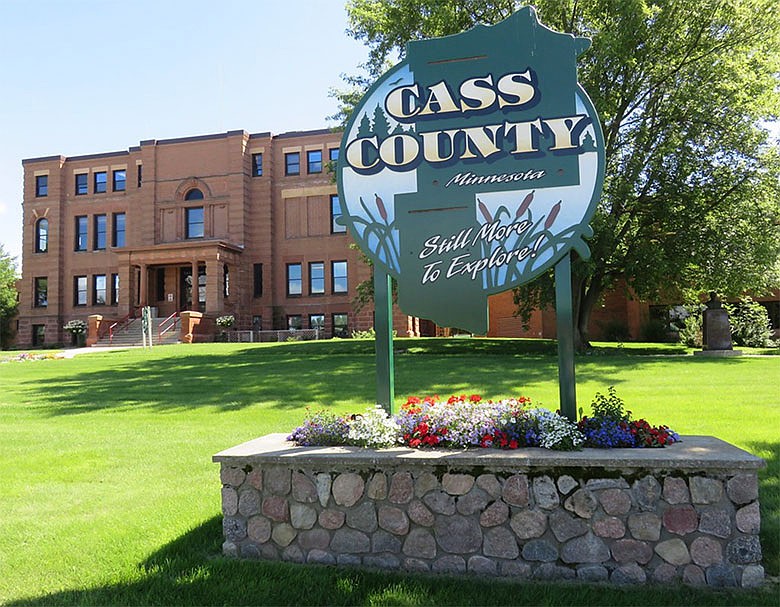
BACKUS — Cass County department heads and elected officials presented updates during the county’s annual budget and planning meeting held Wednesday, May 27, outlining financial projections, legislative changes and operational challenges heading into 2027.
Across departments, officials repeatedly highlighted concerns over increasing healthcare and facility costs, staffing shortages, recruitment and retention challenges, and the growing demand for technology upgrades and cybersecurity protections. Departments also discussed the expanding use of artificial intelligence tools, shifting state mandates, and continued pressure on local services ranging from probation and law enforcement to transportation, housing and human services.
The following are departmental reports:
Budget Update
County Administrator Josh Stevenson reported the county’s 2026 budget totals approximately $90.5 million, an increase of about 1.87% over 2025. The property tax levy also increased nearly 12 % to $35.3 million due to rising mandated costs and reduced state funding.
Stevenson said updated county fees and the new solid waste assessment are performing as expected, with the assessment helping fund future transfer station needs. He also noted 2026 is expected to be the county’s final year utilizing remaining COVID-era funding.
Budget projections remain on track with no major concerns reported to date. County officials are also updating the capital improvement plan and continuing efforts to extend the life of county facilities while avoiding additional debt issuance.
Administrator
County Administrator Josh Stevenson said Cass County continues to face rising health insurance, labor and facility maintenance costs heading into the 2027 budget cycle. He noted deferred maintenance on county buildings has grown significantly in recent years due to inflation and increased construction costs.
Stevenson also reported the county is seeing more public data requests, increasing demands on staff time and resources. Legislative updates included no new local option sales taxes for capital projects and no relief from state paid family medical leave requirements, which officials expect will continue increasing costs.
Additional concerns for 2027 include ongoing pressure on rural ambulance services, upcoming ADA accessibility requirements for county documents and websites, and leadership changes with multiple commissioner seats on the ballot.
Stevenson also highlighted the county’s exploration of artificial intelligence tools to help improve public services and manage workloads without significantly increasing staffing levels.
Assessor
Assessor Mark Peterson reported Cass County’s estimated market value increased approximately 4.5% this year, with total county value reaching about $13.3 billion including new construction. New construction values declined slightly, while new home starts saw a small increase.
Peterson said first quarter real estate sales were down about 13%, while foreclosures increased slightly from four to five cases. Appeals at local boards of appeal and equalization also continued to decline.
Legislative changes this year included adjustments to non-homestead resort tax tiers and a one-time increase to the homestead property tax credit.
Peterson said staffing and retention continue to be major challenges for the assessor’s office as counties compete for licensed appraisers and training new employees remains a lengthy process.
County Attorney
County Attorney Ben Lindstrom reported community corrections responsibilities continue to shift following changes to probation services, with additional felony-level supervision now occurring through the county system.
Lindstrom said staffing remains the department’s largest budget item. The office currently has five attorneys, including Lindstrom, although one attorney position remains vacant. He noted the vacancy has helped absorb additional operational costs within the department budget.
Lindstrom also shared the office continues working to balance workloads while training newer attorneys entering the profession. He said newer staff members often require additional time and mentoring as they gain courtroom and case management experience.
Despite the vacancy, Lindstrom said the department continues to operate efficiently with a strong workplace culture and team-oriented environment. He emphasized the county’s goal remains finding the right long-term candidate rather than filling the position quickly.
The department currently remains within its budget, with most operational expenses tied primarily to staffing and personnel costs.
Auditor-Treasurer-Recorder
Auditor-Treasurer Lisa Shadick reported the department continues to see increased use of electronic tax payments and digital document recording, with electronic tax payments up approximately $1 million over last year.
Shadick also noted passport applications and birth certificate requests increased ahead of the federal Real ID deadline.
The department recently reorganized office space to improve efficiencies, reduce paper storage, and enhance customer service. Staff also continue focusing on electronic record retention and cross-training employees to maintain service levels.
Central Services
Central Services Director Tom Buhl and Deputy Director of IT Kameron Koch presented the Central Service Department update. It was reported rising technology and hardware costs continue to impact county operations, while cybersecurity threats such as ransomware, phishing, and AI-powered attacks remain a major concern.
Buhl said the county continues investing in network security, staff training, and system upgrades as officials work to protect county infrastructure from daily cyber threats.
It also discussed increased workloads tied to public data requests and future planning efforts related to cybersecurity preparedness and continuity of operations.
Chief Financial Officer
Chief Financial Officer Becky Toso reported that the county’s capital improvement plan continues to evolve as officials evaluate future facility and infrastructure needs. Toso noted concerns with the county’s self-insurance fund as healthcare claim costs continue to rise, although recent plan changes have helped stabilize the fund balance.
There was also discussion regarding the increasing healthcare costs nationwide and the challenges created by the county’s larger retiree population. Stevenson explained the county recently restructured its insurance system to provide more flexibility and added additional preventative care services aimed at reducing long-term costs.
Looking ahead, Toso said the county will continue monitoring insurance expenses, evaluating future capital project funding options and working to improve countywide efficiencies through staff training and cross-training efforts.
Court
Administration
Court Administrator Krista Smith reported the department continues to face staffing challenges following recent retirements, though efforts are underway to fill current openings. To help maintain operations, staff members have been cross-trained and neighboring counties have assisted when needed.
Smith also noted increased concerns regarding courthouse safety and security as threats toward court offices continue to rise across the state.
Legislative updates included a new competency attainment statute to help individuals become fit to stand trial, expanded support services for jurors experiencing trauma, and a new law allowing courts to serve protection and harassment orders through certified mail to speed up the process.
Looking ahead, Smith said the department continues to focus on staff training and retention while preparing for a return to more in-person court proceedings.
Environmental
Services
Environmental Services Director Jeff Woodford reported the department is currently handling four pending lawsuits, including two involving denied permits and two enforcement cases against property owners for ordinance violations. Woodford thanked the county attorney’s office for its continued support in handling planning and zoning matters.
Woodford also mentioned the county’s short-term rental ordinance, adopted last year, is helping address concerns related to neighborhood impacts, environmental protection and law enforcement calls. Staff are also seeing an increase in complaints between neighbors regarding property maintenance, noise and other disputes.
Woodford noted the department continues working to secure funding for future transfer station and waste management improvements while balancing increasing demands for regulation and enforcement. He added the department remains primarily fee-funded through building permits, though growing workloads continue to strain staff resources.
Facilities
Tom Boege, Facilities Capital Project Manager, reported predictive maintenance and monitoring technology are becoming increasingly important as the county works to identify equipment issues before costly failures occur. Staff are utilizing additional monitoring systems and inspections to improve maintenance efficiency and extend the life of county infrastructure.
Boege also noted changing workplace trends may impact future county building designs, with more organizations moving toward flexible and shared workspaces rather than traditional office layouts.
Workforce shortages continue to be a concern within the skilled trades industry, particularly for boiler operators, HVAC technicians, and electricians. Boege noted training and licensing requirements for some positions can take several years.
Legislative and code changes may also increase future costs, including new energy reporting requirements, updated restroom and carbon monoxide detector standards and rising demand for commercial roofing contractors statewide.
Additional concerns for 2027 include increasing natural gas costs, ongoing deferred maintenance needs, and reduced availability of inmate and STS work crews previously used to assist with county maintenance operations.
Health, Human,
Veterans Services
Health, Human and Veterans Services Director Brian Buhmann reported the department remains near full staffing levels while continuing to address local opioid, cannabis and other substance use concerns. Buhmann also discussed ongoing prevention efforts, including work to reduce youth appeal and access to tobacco products.
Buhmann noted affordable housing shortages and a lack of daycare providers continue to create challenges in recruiting and retaining employees throughout the area.
Legislative updates included discussion on Supplemental Nutrition Assistance Program (SNAP) funding concerns, the Supporting Children and Families Act, continued modernization of state technology systems and the transition to the new Department of Children, Youth and Families. Buhmann also shared information regarding one-time state funding for food security programs, including support for food shelves, food banks and American Indian food sovereignty initiatives.
The department is also continuing implementation of the new AI-assisted eligibility and virtual support system known as EVA, which is designed to help streamline services, improve efficiency and assist residents in navigating available programs and resources.
Among the department’s continuing priorities is strengthening partnerships with local family centers and community organizations. Buhmann explained the partnerships help connect families with services earlier, often preventing more costly out-of-home or treatment placements while keeping youth connected to local support systems and resources.
Highway
County Engineer Darrick Anderson reported that state-aid highway funding continues to fall short of fully covering maintenance costs for the county’s state-aid road system. Anderson explained funding comes from a combination of the state gas tax, vehicle tab fees, and sales tax on auto parts, with portions allocated toward both road construction and ongoing maintenance operations.
Anderson shared that state-aid funding saw a 3.3% increase; however, recent legislative changes reducing vehicle tab fees are expected to negatively impact future funding levels. The reduction is estimated to have a $260 million impact statewide, with only a portion of that funding being replaced through the state’s general fund. As a result, counties are expected to see decreases in future transportation funding beginning after the temporary relief period.
Discussion also focused on the increasing costs associated with delivering road construction projects. Anderson noted that engineering, environmental review requirements, wetland delineations, and permitting processes all contribute to rising project costs before construction even begins. Although funding levels have increased in recent years, those gains have largely been offset by inflation and higher project expenses, reducing the amount of work counties are ultimately able to complete.
Anderson also reported the county received approximately $3.2 million in Local Option Sales Tax (LOST) revenue in 2025. Of that amount, approximately 22% goes toward reducing the county levy, helping offset the direct property tax impact to residents while continuing to support transportation and infrastructure needs.
Human Resources
Human Resources Director Allison Magnus reported the county continues focusing on employee recruitment, retention, and workplace engagement as departments adapt to changing work environments and increased interest in hybrid and remote work options.
Magnus said the county is also preparing for the growing use of artificial intelligence and automation in the workplace by emphasizing employee training, reskilling, and career development opportunities.
Legislative updates included new unfair dismissal protections scheduled to take effect in 2027, which officials said could increase financial and legal risks for employers.
Stevenson also mentioned the continued impacts of the state’s paid family medical leave program, noting more employees are utilizing extended leave benefits, creating staffing and workload challenges across departments.
Land
Land Commissioner Mark Gossman reported timber markets remain unstable, with stumpage prices declining from recent highs despite the county continuing to successfully sell all timber sales offered.
The department is also transitioning to a new mapping and GIS system as older technology becomes unsupported. Gossman said the county is currently testing the updated program before full implementation.
Legislative discussions this year focused heavily on fraud prevention and tax forfeiture issues, including an ongoing court case that could impact how counties handle future tax-forfeited property sales. Gossman also noted lawmakers approved measures recognizing wood products as carbon-neutral, potentially opening additional markets for timber products.
Gossman said future concerns for the department include lower long-term timber revenue distributions, rising costs associated with Forest Stewardship Council certification standards, and development of a new long-range forest management plan outlining future harvest areas.
Probation
Brad Mesenbrink, Probation department team leader, reported a major transition occurred earlier this year when the county board approved moving Cass County to a Community Corrections Act (CCA) model. Under the change, the county probation department now oversees all probation services locally, including supervision of offenders released from prison, rather than sharing responsibilities with the Minnesota Department of Corrections.
Mesenbrink said the shift gives the county more local control over probation services and supervision practices while also expanding the department’s responsibilities and caseload management duties.
The department also continues working closely with the Leech Lake Band of Ojibwe probation program, which recently added two probation agents and has begun developing a formal referral process. Mesenbrink noted the partnership is expected to continue growing over time, although officials do not anticipate major immediate reductions in county caseloads.
Mesenbrink said collaboration between county and tribal probation services remains important as both agencies continue coordinating supervision efforts and community-based support programs for offenders within the region.
Sheriff
Sheriff Bryan Welk reported that staffing, training and rising operational costs continue to be major challenges for the Sheriff’s Department. Recruitment and retention of dispatchers and jail staff remain ongoing concerns, while specialized training requirements for deputies continue to increase expenses.
Sheriff Welk noted significant increases in costs for squad vehicles, equipment and technology upgrades, including aging tasers that will eventually require costly replacement. Inflation and changing market prices also continue to impact the department’s budget planning.
Legislative updates included preparation for Minnesota’s Paid Family and Medical Leave program beginning in 2026, along with continued costs related to mental health services and PTSD coverage for first responders. Expanded state-mandated training requirements for peace officers also continue to create financial pressures while future reimbursement funding remains uncertain.
Facility and storage limitations remain a long-term concern for the department, particularly with new firearm storage requirements connected to emergency protection orders. Sheriff Welk stated the department continues to evaluate future building and storage needs.
Sheriff Welk also discussed the upcoming transition to the state’s Next Generation 9-1-1 system, which will modernize emergency communications and improve data-sharing capabilities, although funding details and implementation costs are still largely unknown.
2027 Budget
Schedules
Cass County’s five citizen appointees and two county commissioners (budget committee) will receive departmental requests and prepare a proposed 2027 county budget and levy this summer.
The county board then sets a preliminary levy in September before the budget committee makes additional budget changes in October. The board will hold a public hearing before adopting a final budget and levy in December.
That schedule is as follows:
• July 7 — Preparation packets released,
• July 21 — Departmental requests due to the CFO’s office,
• Aug. 14 — Budget committee reviews requests and prepares the preliminary budget and levy,
• Aug. 28 — Optional budget committee meeting, if needed,
• Early September — County board sets preliminary levy,
• Oct. 2 and 9 — Departmental reviews and additional budget discussions,
• November — Truth in taxation notices mailed to taxpayers,
• Dec. 1 (6 p.m.) — Public hearing on proposed budget,
• Dec. 15 — County board sets final levy and budget.
Comments:
You must login to comment.