March 13, 2026 at 4:43 p.m.
Sheriff’s Corner - Be vigilant on late season ice
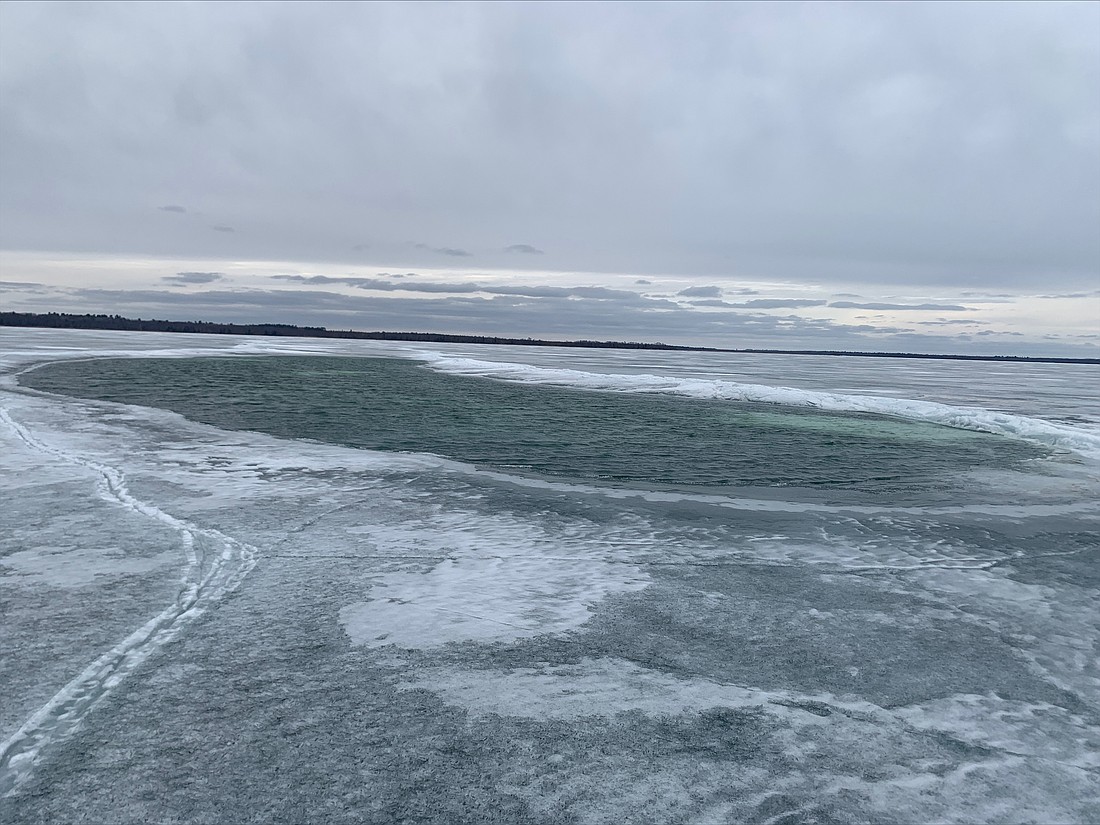
As the weather switch quickly flips from winter to spring, ice safety and keeping Minnesota lakes clean is a focus that we should all have.
As winter begins to fade across Minnesota, many anglers, snowmobilers, and outdoor enthusiasts are still enjoying time on frozen lakes. Late-season ice fishing can be productive and enjoyable, but spring ice also brings serious safety risks and environmental responsibilities.
Understanding how ice conditions change in spring and making sure to remove all trash from the ice—helps protect both people and Minnesota’s lakes.
Spring ice is not the same as winter ice. We had an exceptional winter lake ice year, colder temperatures and little snow conditions allowed good clear ice to build in some places more than 3 feet thick. Late-season ice may look thick, but warm temperatures, rain, and sunlight can weaken it quickly. Even when the ice appears solid, it may no longer support the same amount of weight as it did earlier in winter.
Ice conditions can deteriorate rapidly during spring warm-ups. In some cases, lakes transition from solid ice to open water in just a few days. Another important reminder: there is no such thing as completely safe ice. Conditions can vary widely across a single lake due to currents, springs, snow cover, and changing temperatures.
Anyone heading out on the ice late in the season should take extra precautions.
1. Check ice thickness frequently
Ice can vary greatly in thickness. Experts recommend checking ice often with an auger or chisel as you move across the lake.
2. Follow minimum thickness guidelines
Typical safety recommendations include:
• 4 inches for walking or ice fishing
• 5–7 inches for snowmobiles or ATVs
• 9–12 inches for cars or small vehicles
In spring conditions, experts recommend doubling these guidelines because melting ice is significantly weaker.
3. Wear safety gear
Safety equipment can save your life if you fall through the ice:
• Ice picks or ice claws
• A foam life jacket or float suit
• Ice cleats for traction
• A whistle for emergency signaling
4. Never go alone
Always bring a friend and tell someone where you are going and when you plan to return.
5. Leave the ice early
Morning ice may be safe, but sunshine and warm temperatures can weaken the ice throughout the day. The route you took onto the lake may not be safe on your return trip.
Clean Up Your Trash Before the Ice Melts - Spring is also the time when garbage left on the ice becomes a serious problem. Every year, lakes reveal trash that was left behind during winter recreation. When the ice melts, that garbage sinks into the lake or washes up on shorelines. Common items left behind include:
• Beverage cans and bottles
• Fishing line and bait containers
• Food wrappers and cigarette butts
• Propane cylinders and equipment debris
This waste harms fish, wildlife, and water quality. Minnesota law requires anglers and lake users to store garbage in containers attached to their shelter or vehicle and remove it from the ice when leaving. Violations can result in fines. A simple rule to follow: Pack It In, Pack It Out. Leave no trace. If you bring it onto the lake, take it back with you.
The Minnesota DNR has established the following deadlines for inland waters:
• Southern two-thirds of the state: 11:59 p.m. on March 2.
• Northern one-third of the state: 11:59 p.m. on March 16.
• Minnesota-Canada border waters: 11:59 p.m. on March 31 (includes Lake of the Woods).
By practicing good safety habits and cleaning up after ourselves, we can ensure that Minnesota’s lakes remain safe and beautiful year-round.
If you have specific questions that you would like answered in this column or in person, please feel free to contact me anytime using one of the following methods:
Email: [email protected]
Phone: (218) 547-1424 1 (800) 450-2677
By Mail/In Person:
Cass County Sheriff’s Office, 303 Minnesota Ave W, PO Box 1119,
Walker, MN 56484

Comments:
You must login to comment.