August 3, 2026 at 3:32 p.m.
Little Sand Group Home
Helping girls rewrite their stories for 50 years

Michelle Pepin still remembers one morning she arrived at school early as a ninth grader. A new classmate climbed out of a car driven by an older man. When Michelle asked about him, the girl casually replied, “That’s my boyfriend. We’ve been out partying all night.” The girl explained she was living in foster care and said no one really cared what she did in her free time.
The conversation stayed with Michelle. She went home and asked her parents, Gerome and Shirley Jahn, if they would consider becoming foster parents. Instead, they purchased a small group home outside of Remer.
Fifty years later, that decision continues to change the lives of vulnerable girls from across Minnesota.
Today, Michelle serves as executive director of Little Sand Group Home, while her sister, Sheri Dilley, is a house parent. The sisters quite literally grew up at Little Sand, helping care for residents alongside their parents before eventually dedicating their own careers to the home. Together with Personnel Director Noreen Anderson, they represent decades of experience serving girls who have experienced more hardship than most people could imagine.
According to its website, Little Sand Group Home is a nonprofit residential program for biological females ages 12 to 17 who have experienced trauma. The home specializes in caring for girls who have been sexually exploited, trafficked or are considered at risk, providing a safe, family-like environment focused on healing, stability and growth.
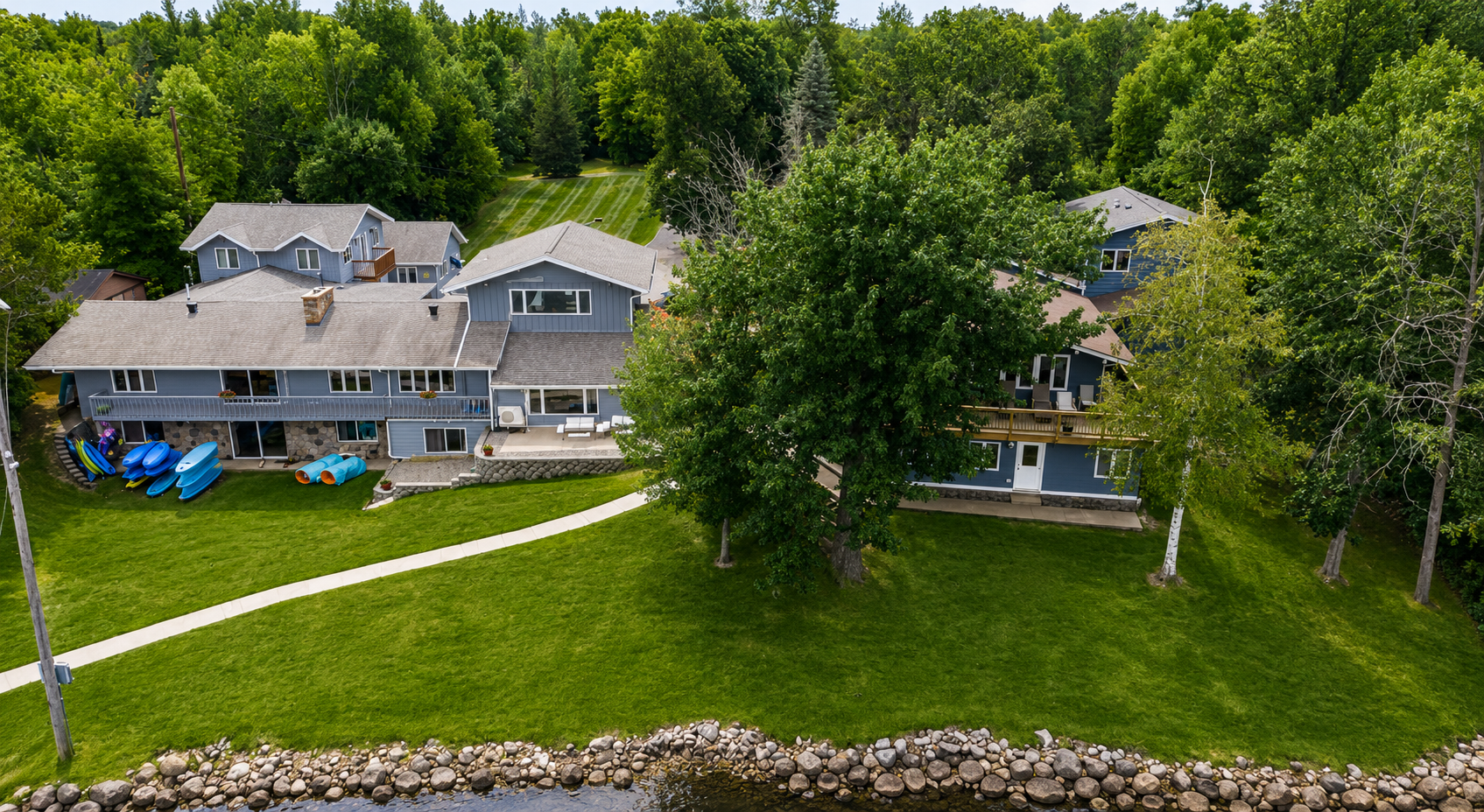
Little Sand Group Home is nestled along the shores of Little Sand Lake just outside Remer. Photo by Little Sand Group Home.
While many people associate sex trafficking with large cities, Minnesota data tells a different story. According to the Minnesota Department of Health, nearly two-thirds of youth served through the state’s Safe Harbor program come from Greater Minnesota. A University of Minnesota analysis of the 2022 Minnesota Student Survey estimated that at least 4,800 Minnesota high school students had traded sex or sexual activity for money, food, shelter, transportation or other necessities. Little Sand staff say approximately 80% of the girls placed in their care have experienced sexual abuse or sexual exploitation.
Located on the shores of Little Sand Lake, the nonprofit operates two homes with space for 16 girls. Residents are placed through the court system, many after unsuccessful foster placements or institutional care, and remain until they are ready to move into a less restrictive environment.
What sets Little Sand apart is its house-parent model. Rather than rotating through eight-hour shifts, staff live alongside the girls for one to two weeks at a time, creating the consistency and family atmosphere many residents have never experienced. Most employees have worked at Little Sand for more than a decade, and there are always more staff than girls.
“Our goal is to raise kids at the level they need,” Michelle said. “We help kids change their story.”
The Northwoods setting also plays an important role. Girls spend their days swimming, fishing, tubing, hiking, crafting, riding side-by-sides and learning independent living skills. Through a partnership with Northland Community Schools, Little Sand also operates an on-site Alternative Learning Center, giving residents educational stability while introducing them to new opportunities, including college visits.
“We just want to expose them to as many opportunities as possible,” Michelle said. “To show them how much life has to offer.”
As Sheri walked me through the property, I found myself paying less attention to the spotless rooms and beautiful lake views and more attention to the girls themselves. They smiled at me—a stranger in their home—as if I belonged there. A few complimented my outfit. One complimented my eyebrows.
In that moment, it struck me just how young they all were.
These weren’t statistics or headlines. They were children. Children who had endured things no child should experience and who, through no fault of their own, found themselves searching for safety, stability and someone willing to care.
Meeting Michelle, Sheri and Noreen made it easy to understand why Little Sand has endured for five decades. Their kindness, compassion and unwavering commitment to girls who have often been overlooked was evident throughout our conversation. Their work isn’t simply about providing shelter—it’s about offering hope, rebuilding trust and helping young people believe their future can be different from their past.
Little Sand’s mission extends well beyond its two homes. The staff helped establish the food pantry at Northland Community Schools, operate the Remer Food Shelf and run The Store, a nonprofit resale shop whose proceeds support both the food shelf and recreation opportunities for the girls.
For Michelle, Sheri and the staff at Little Sand, the mission that began with one concerned ninth grader has never really changed.
They’re still helping kids change their story.
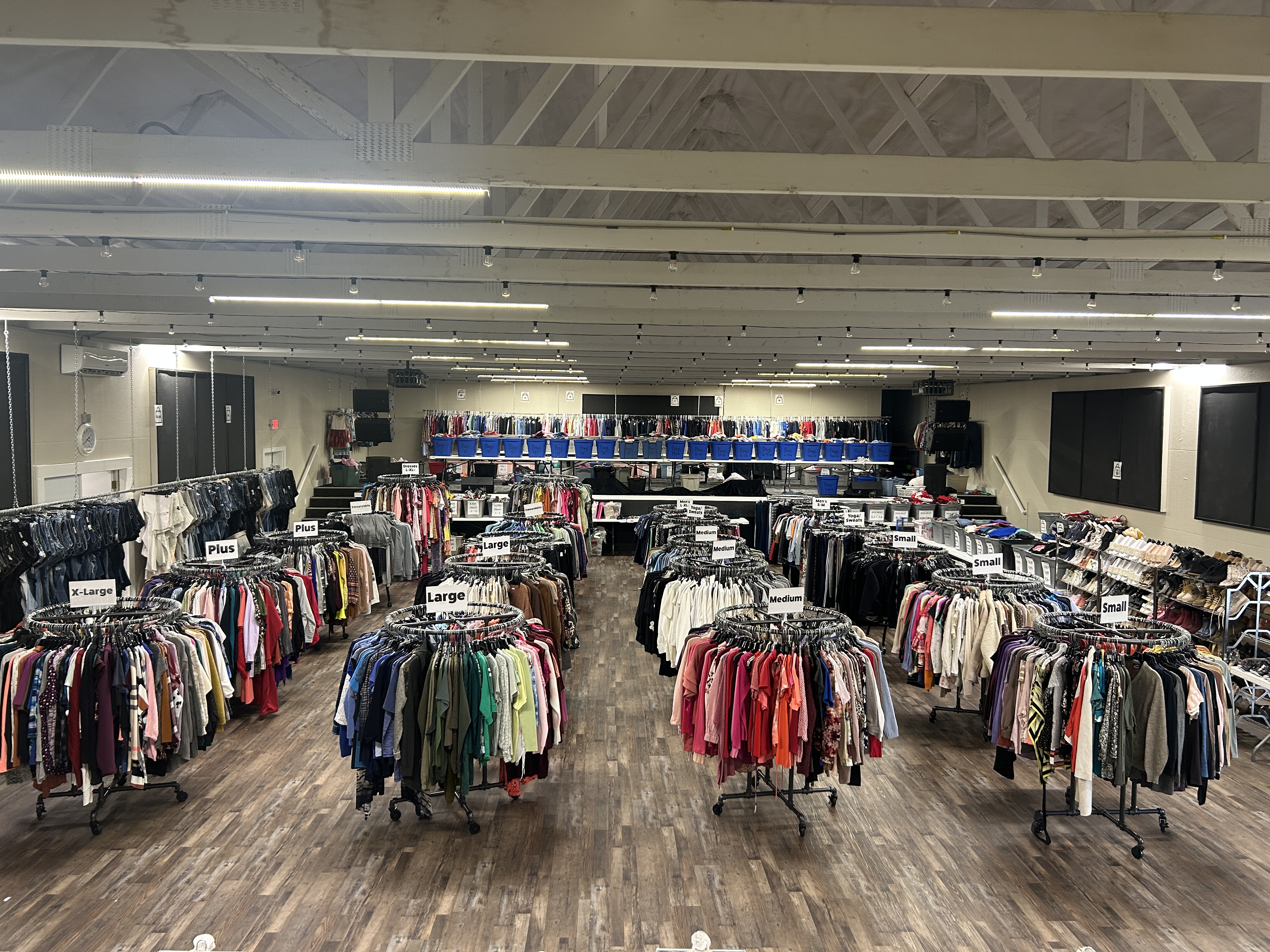
A portion of the donated clothing being prepared for The Sale, one of the Store’s annual fundraisers, Aug. 5-7 in Remer. Photo by Katelyn DeLost.
Those who would like to support Little Sand Group Home can do so by direct donation or attending The Sale, an annual fundraising event held Aug. 5-7 at 104 Mill St. in Remer. The sale features thousands of donated items, including name-brand clothing, shoes, purses, furniture, household goods and toys from across Minnesota. Shoppers can fill a bag with clothing for just $10, with proceeds benefiting Little Sand Group Home’s recreation fund and the Remer Food Shelf.

Comments:
You must login to comment.